
Report week: September 14–20, 2026 · Audience: Men · Baseline: seven complete weeks, July 27–September 13
Executive merchant read: Tops and accessories remained the broadest components of the observed men’s mix. White led top color labels, while black led bottoms, shoes, outerwear, bags, and accessories. Outerwear showed the largest positive week-over-baseline difference, but no category movement cleared the full statistical decision rule; the comparisons are descriptive, not trend calls.
What the sample says
This report uses 278 deduplicated outfits from 112 creators after a four-outfit weekly cap per profile. The analytical layer covers 228 posts and 947 outfit-category observations. All 271 eligible men’s posts reconcile to the current flat corpus.
Category mix versus the seven-week baseline
Shares use deduplicated outfits as the denominator. A movement is publishable as a trend only when it passes all gates: at least a three-percentage-point effect, Benjamini–Hochberg FDR q≤0.10, sufficient sample, and at least 20 current-week creators. No category passed all gates this week.
| Category | Current | Baseline | Difference |
|---|---|---|---|
| Top | 243 87.41% 108 creators | 88.59% | -1.18 pp q=0.666 |
| Bottom | 203 73.02% 102 creators | 78.78% | -5.75 pp q=0.179 |
| Shoe | 133 47.84% 76 creators | 47.80% | +0.04 pp q=0.990 |
| Outerwear | 114 41.01% 63 creators | 33.65% | +7.36 pp q=0.123 |
| Dress | 4 1.44% 4 creators | 0.57% | +0.87 pp q=0.341 |
| Bag | 37 13.31% 29 creators | 9.88% | +3.43 pp q=0.179 |
| Accessory | 213 76.62% 101 creators | 81.84% | -5.22 pp q=0.179 |
Current-week color mix
Color shares are descriptive multi-label percentages among color-labelled observations, so a multicolor outfit-category can contribute to more than one color and totals can exceed 100%.
| Category | Color-labelled observations | Leading labels |
|---|---|---|
| Top | 242 | White 42.6%; black 22.7%; blue 14.0% |
| Bottom | 203 | Black 24.6%; blue 15.8%; white 14.3% |
| Shoe | 132 | Black 49.2%; white 25.8%; brown 21.2% |
| Outerwear | 114 | Black 27.2%; brown 17.5%; navy 12.3% |
| Dress | 1 | Too sparse to interpret (1 color-labelled observation from 4 dress outfits) |
| Bag | 36 | Black 36.1%; brown 16.7%; beige 13.9% |
| Accessory | 154 | Black 54.5%; brown 30.5%; green 7.8% |
Visual evidence from the completed week
Each image is a distinct creator/post from the report week. Select an image or credit to open its original Instagram post.
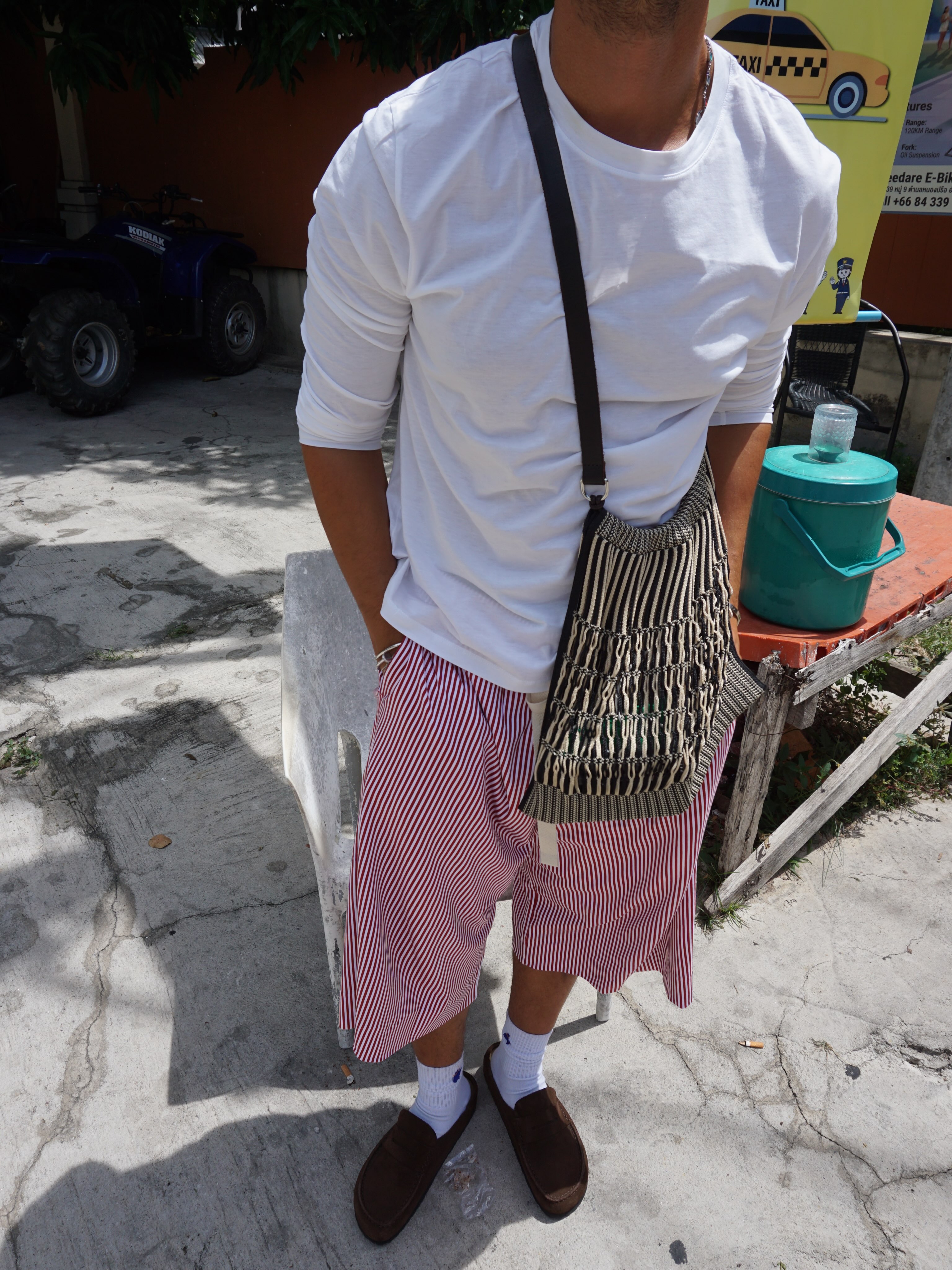
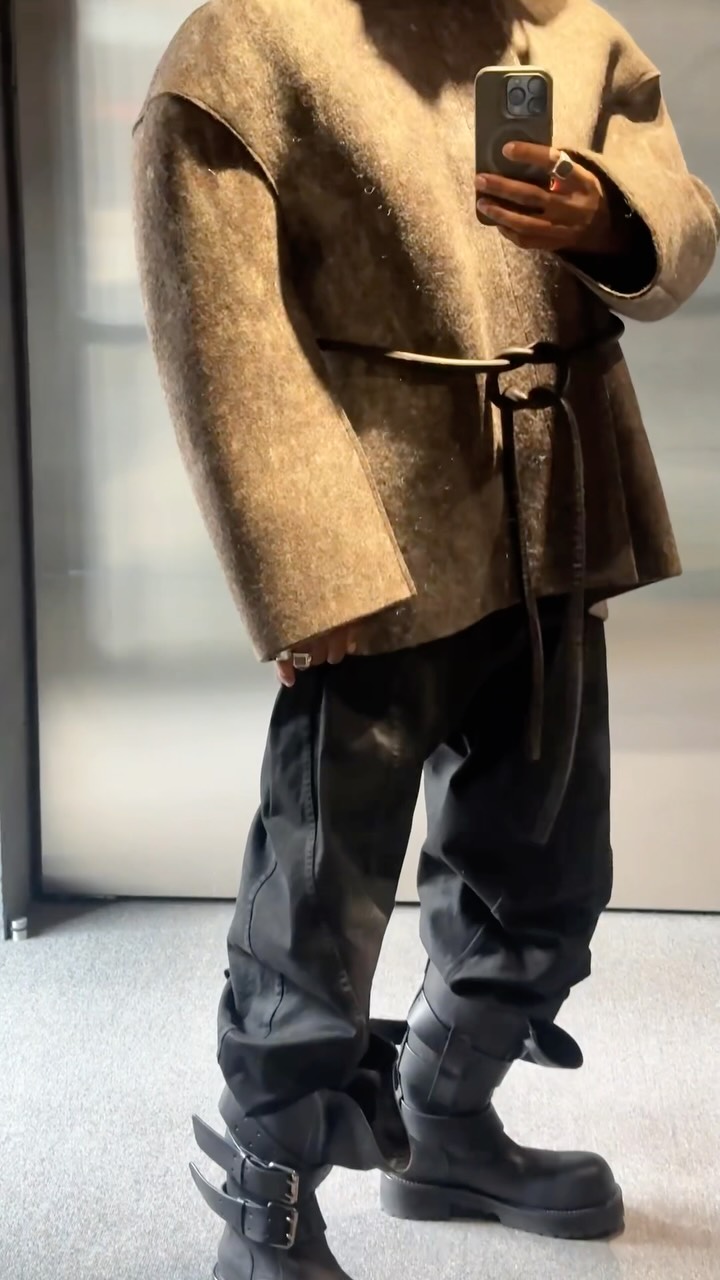
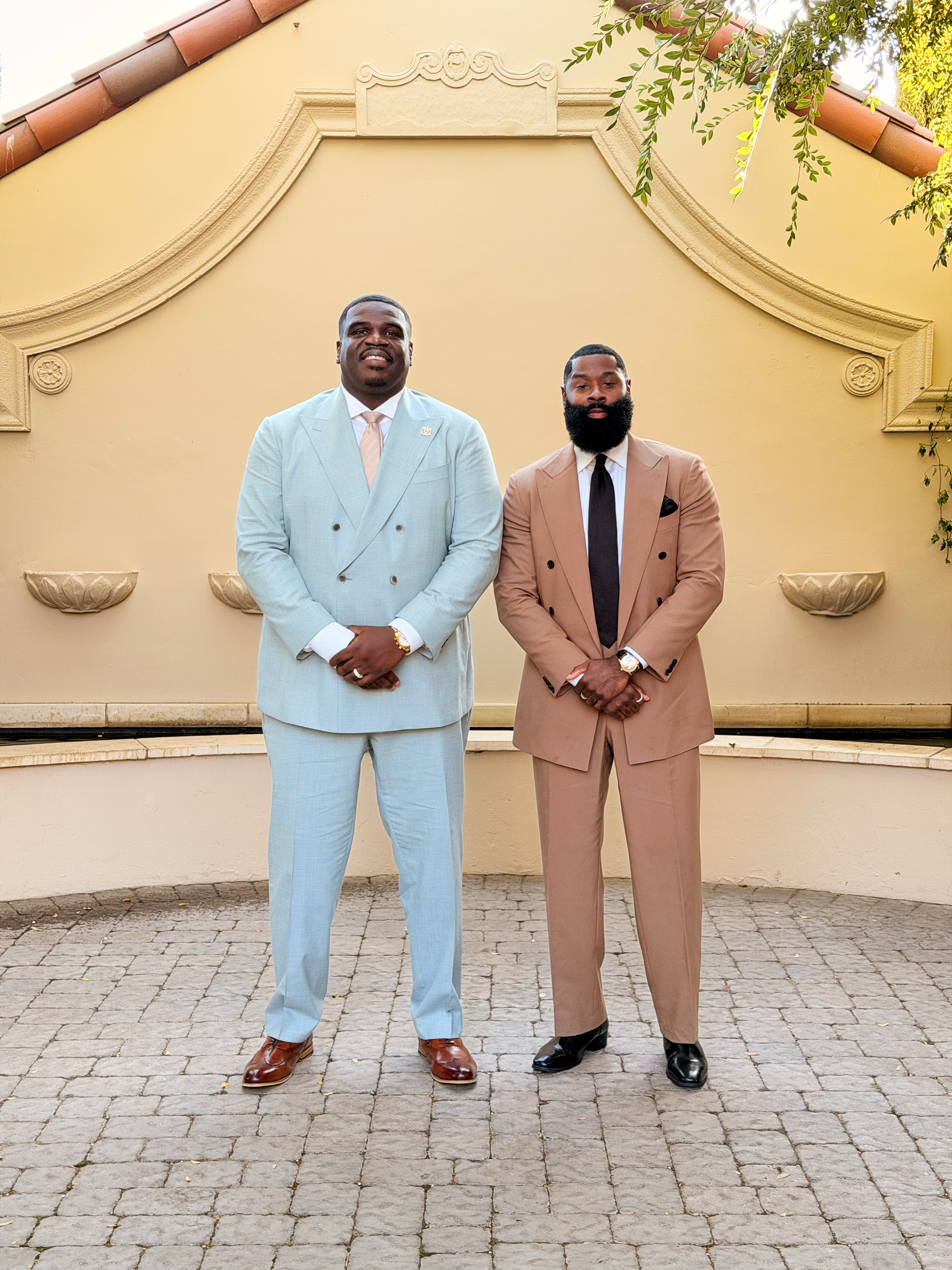

Merchant action board
| Decision area | Recommended action |
|---|---|
| Core allocation | Keep tops and accessories as the breadth anchors; their high current shares remain close to established baseline structure. |
| Outerwear watch | Use black-led outerwear in visual merchandising and controlled tests, but do not scale from the +7.36-point gap alone because q=0.123. |
| Bottoms and footwear | Protect black footwear depth; treat the lower bottom share as a monitoring signal until a later week confirms it. |
| Bags and add-ons | Keep bags selective and black-led. The +3.43-point bag gap did not pass FDR and should not trigger a broad buy change. |
Methodology and confidence
Corpus readiness: the full Instagram refresh completed after the report period. Exact-week reconciliation initially found 13 missing flat records; those records were refreshed, then the canonical eligibility set and flat corpus matched at 1,582 of 1,582 posts, with no extras. The latest extraction orchestrator closed with a degraded status after its queue was fully drained, so TrendQ independently recomputed the current week from canonical rows and required the zero-gap reconciliation before publication.
Controls: influencer and editorial OOTD sources only; exact gender cohort; outfit-key deduplication; a maximum of four outfits per profile per week; unique outfit/category observations; seven complete baseline weeks; cluster-aware two-proportion tests using weekly baseline overdispersion; Benjamini–Hochberg correction across seven categories; a three-point effect floor; and current creator breadth of at least 20. Color results are descriptive and are not used as significance-tested trend calls.
Confidence: the men sample clears normal publication thresholds for outfit and creator breadth. The dress color view is explicitly suppressed as too sparse. Merchant recommendations remain appropriately narrow because no category movement cleared the decision threshold.