
Report week: 7–13 September 2026 · Audience: men’s fashion only
This report uses a fully reconciled, single-gender TrendQ corpus slice. Men’s bottoms gained outfit share versus the preceding seven complete weeks. Shoes, outerwear, and accessories moved descriptively but did not clear false-discovery control. Every change is expressed in percentage points, never growth.
Executive merchant read: Put measured depth behind proven bottoms and use white tops as the core connector. Test black shoes and outerwear as attachments, not directional buys: bottoms are the only category that clears every qualification gate this week.
Signal table
| Category | Current vs seven-week baseline |
|---|---|
| Bottoms | 84.8% (218/257) vs 76.8% (1,148/1,495); +8.04 pp · Qualified, 100 current creators, q=0.014 |
| Shoes | 52.5% (135/257) vs 46.5% (695/1,495); +6.04 pp · Not qualified, q=0.171 |
| Outerwear | 37.0% (95/257) vs 32.8% (490/1,495); +4.19 pp · Not qualified, q=0.264 |
| Accessories | 78.2% (201/257) vs 82.3% (1,231/1,495); −4.13 pp · Not qualified, q=0.264 |
| Tops | 89.5% (230/257) vs 87.6% (1,310/1,495); +1.87 pp · Below effect floor |
| Bags | 11.7% (30/257) vs 9.8% (147/1,495); +1.84 pp · Below effect floor |
| Dresses | 1.9% (5/257) vs 0.4% (6/1,495); +1.54 pp · 4 current creators; not actionable |
Baseline: seven complete weeks from 20 July–6 September 2026. Shares use deduplicated outfits as the denominator. Qualification requires an absolute change of at least 3 pp, sufficient counts, at least 20 current creators, and Benjamini–Hochberg FDR q≤0.10.
Category and color breakdown
The week contains 914 known-category observations across 257 deduplicated outfits. Of those, 864 carry at least one usable color label. Color percentages are current-week, within-category multi-label shares; they are descriptive, not movement claims.
| Category | Leading current colors and labelled count |
|---|---|
| Tops | White 51.7%; black 16.5%; blue 13.9% · n=230 |
| Bottoms | Black 21.2%; blue 16.1%; white 12.9% · n=217 |
| Shoes | Black 41.0%; brown 27.6%; white 26.9% · n=134 |
| Outerwear | Black 24.2%; brown 14.7%; beige 11.6% · n=95 |
| Bags | Black 41.4%; brown 24.1%; beige 10.3% · n=29 |
| Accessories | Black 52.5%; brown 27.8%; white 9.5% · n=158 |
| Dresses | Only 1 of 5 dress observations is color-labelled; too sparse to summarize |
1. Deepen proven black bottoms carefully
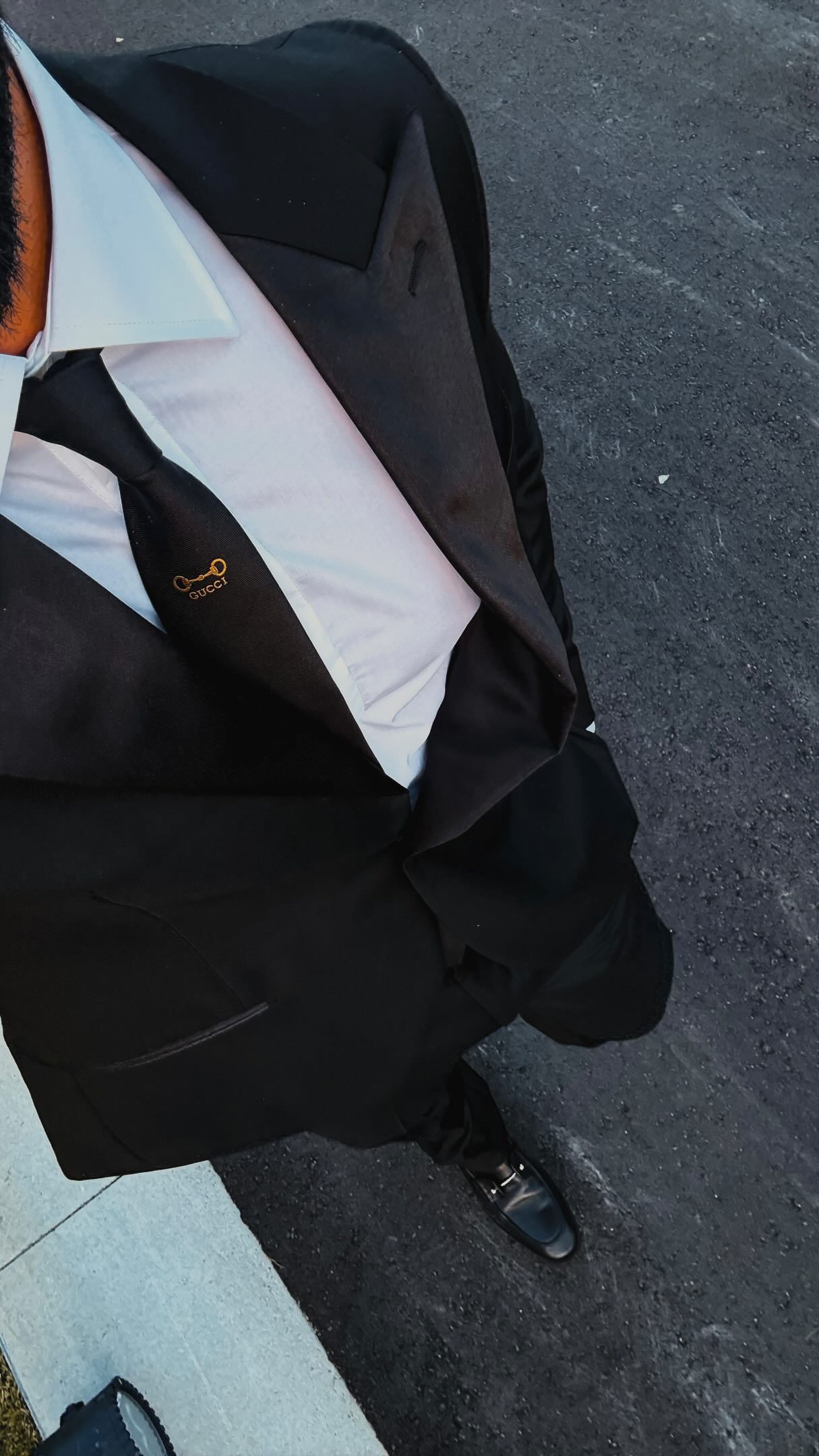
Bottoms reached 84.8% of men’s outfits, a qualified +8.04 pp. Black leads the current labelled bottom palette at 21.2%, but the color mix remains broad.
Restock and test: Add measured depth to black trousers and other proven bottom silhouettes. Use store-level conversion, sell-through, returns, and size availability to decide where to go deeper.
2. Bundle white tops into the bottom story
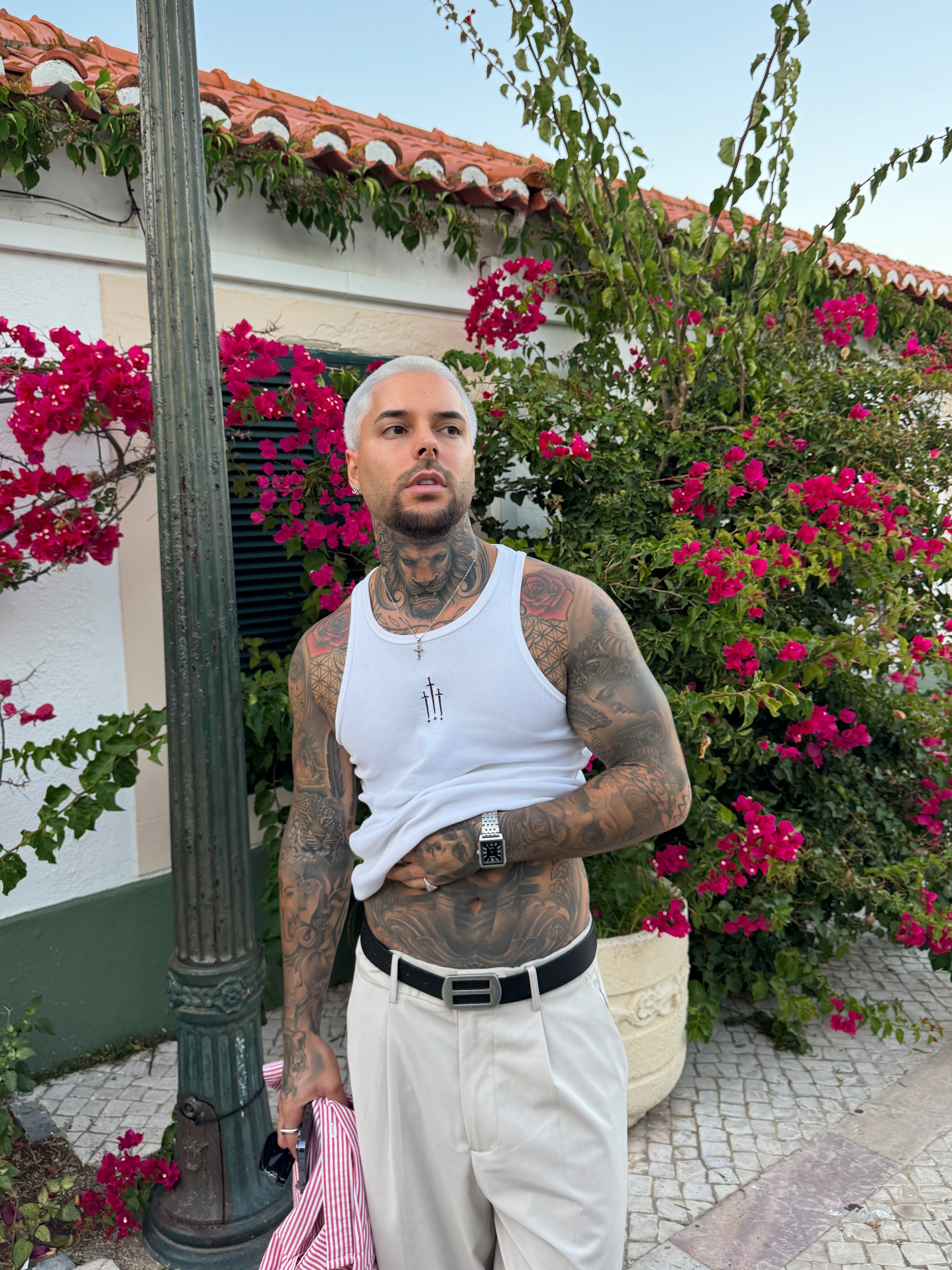
Tops appear in 89.5% of outfits, while white leads labelled top observations at 51.7%. The category itself is stable.
Bundle: Pair white tees, tanks, and shirts with the qualified bottom edit to sell a complete formula without overstating top momentum.
3. Attach black shoes, but keep receipts shallow
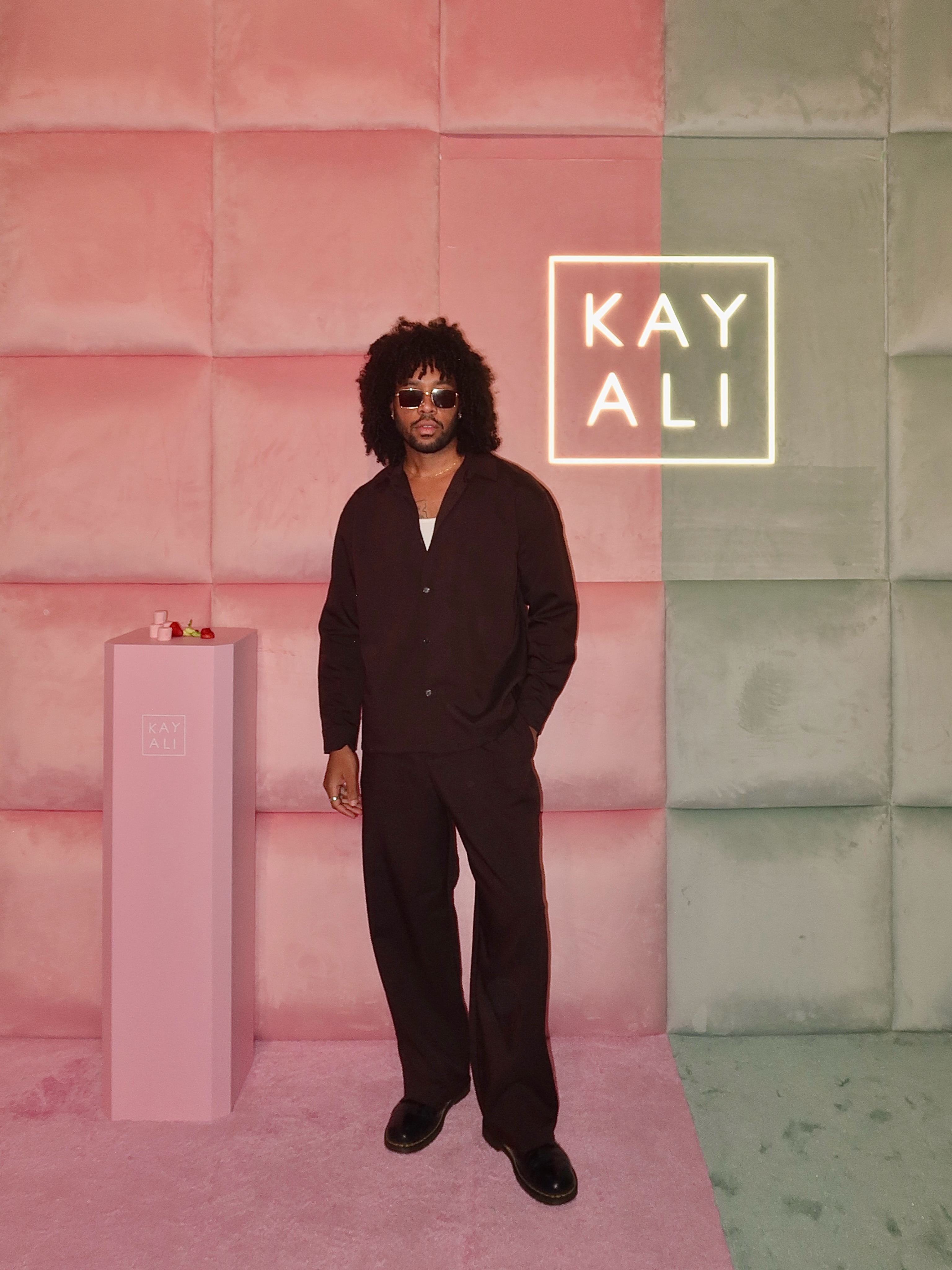
Shoes reached 52.5% of outfits, +6.04 pp descriptively, but the difference did not clear false-discovery control. Black leads the labelled shoe palette at 41.0%.
Attach and watch: Cross-sell black loafers and clean-profile shoes with bottom-led looks. Do not deepen footwear solely from this unqualified difference.
4. Test black outerwear as a connector
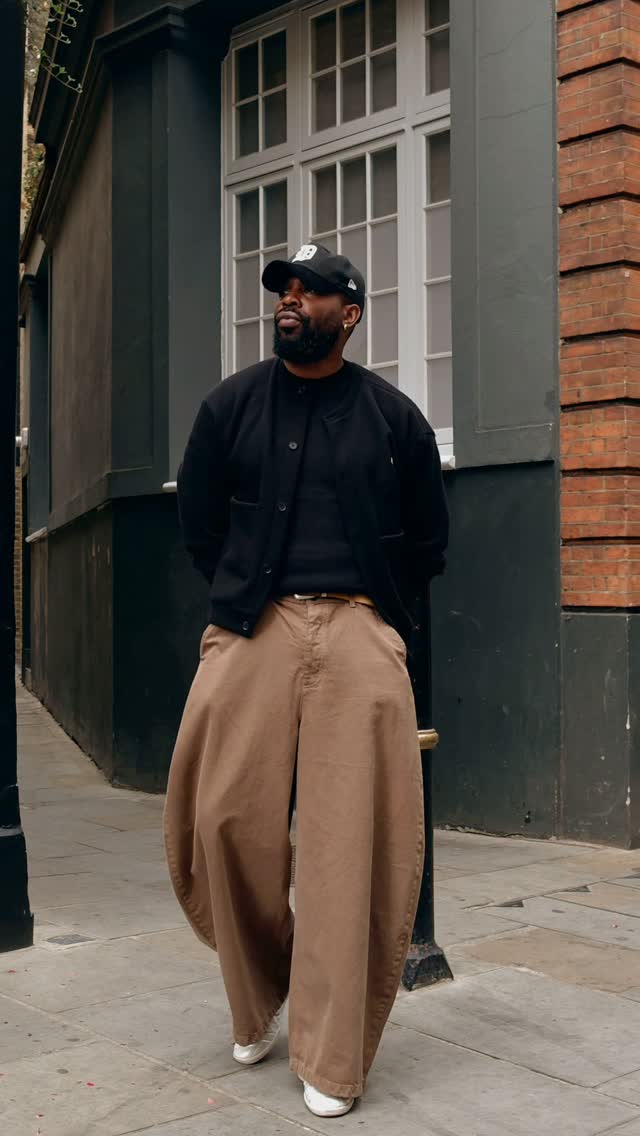
Outerwear is 37.0% of outfits, +4.19 pp descriptively; q=0.264 leaves the movement unqualified. Black is its largest labelled current color at 24.2%.
Test: Run black lightweight jackets beside brown and beige in shallow depth, then let click-through, conversion, and sell-through choose the winner.
Merchant action board
- Promote: bottom-led complete looks.
- Bundle: white tops and black shoes with proven bottoms.
- Restock: only bottom silhouettes already supported by store demand.
- Test: black versus brown outerwear in equal, shallow depth.
- Watch: shoes and accessories; neither has qualified directional evidence.
Methodology and confidence
Exact audience: men-labelled eligible looks only; female, non-binary, unknown, and other gender labels are excluded. Period: Monday 7 September through Sunday 13 September 2026. The full week reconciled at 1,528 canonical eligible reference posts and 1,528 distinct flat-slice posts, with no missing or extra IDs. The men’s audience reconciled at 251 eligible posts and 251 flat-slice posts.
After source controls, canonical outfit deduplication, and a maximum of four distinct outfits per creator per week, the analytical slice contains 211 posts, 257 deduplicated outfits, 107 creators, 914 known-category observations, and 864 color-labelled observations. The seven-week baseline is 20 July–6 September 2026 and contains 1,495 men’s outfits.
Category-share movements use cluster-aware two-proportion tests with Benjamini–Hochberg false-discovery control at q≤0.10, a 3 pp effect floor, minimum observation counts, and a 20-creator current-week breadth rule. The full corpus refresh completed after the report period on 14 September 2026 at 10:18:04 UTC.
All four images are current-week men’s corpus examples from distinct creators. Each image and credit links to the exact original post. Images illustrate nearby claims qualitatively; they are not the statistical sample and do not establish sales demand. This is creator-content intelligence, not a sales forecast.